 Ketchikan City Guide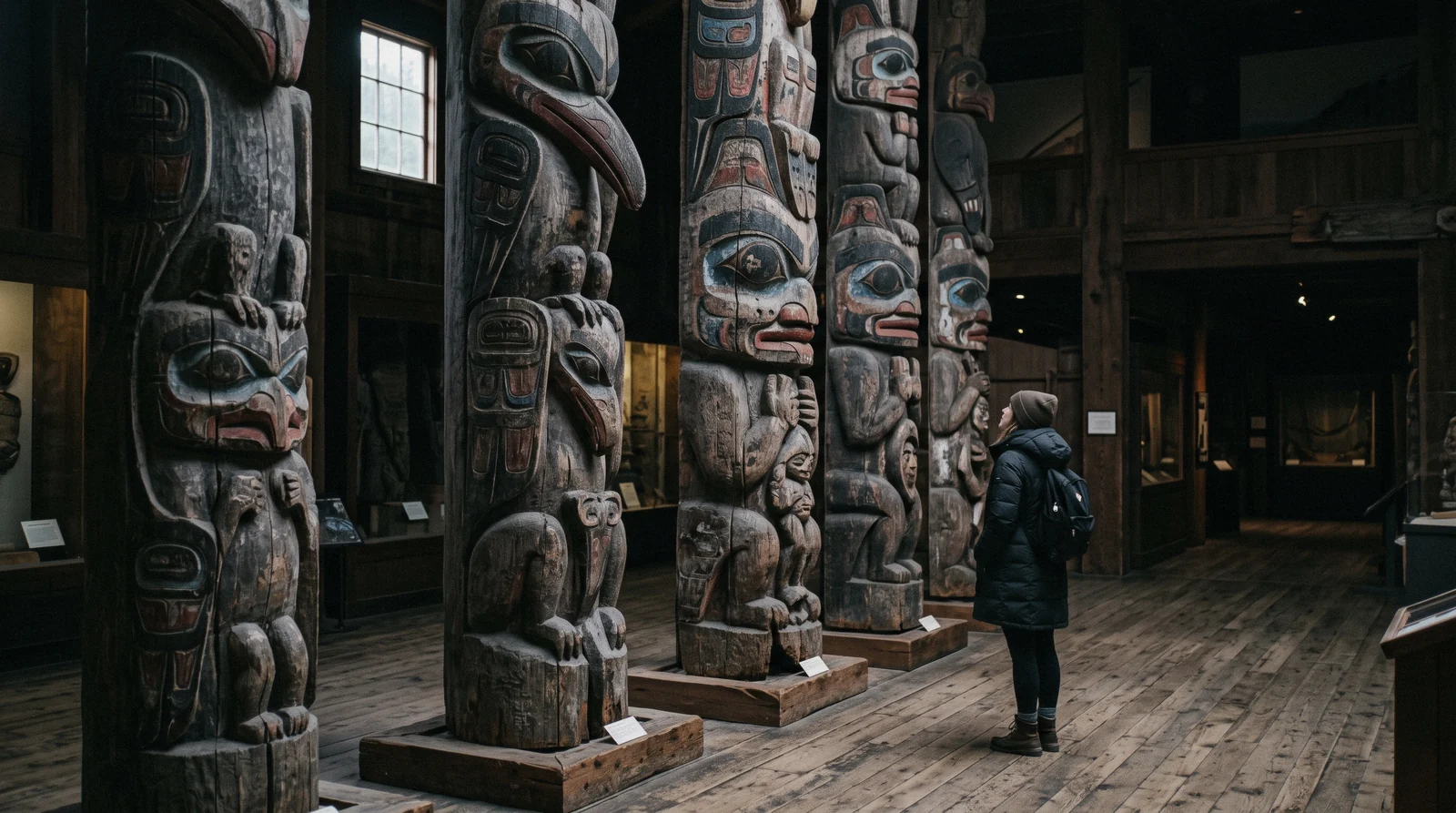
Totem Heritage Center: Ketchikan's Original Recovered Poles, Indoors
The Totem Heritage Center is the one totem site in Ketchikan where the poles are original nineteenth-century carvings recovered from abandoned village sites, and where they stand indoors, unrestored, under a roof. Every other pole in town, from Totem Bight to Saxman, is either a replica or a recarving. This page prints what the City of Ketchikan publishes about the center, and says plainly where it publishes nothing. The town all of this sits in is the wider Ketchikan guide.
Quick answer Hours, admission gaps, and how to reach the center
The Totem Heritage Center at 601 Deermount Street holds 33 original 19th-century totem poles recovered from abandoned village sites, with 16 on permanent display. It opens 8:00am-5:00pm daily May through September and 1:00pm-5:00pm Monday to Friday October through April. The city does not publish an admission price on its own page, so verify before you go. The center sits about a 15-minute uphill walk from the cruise berths, and the $2.00 Borough bus also runs close by.
Key takeaways
- The poles here are original recovered carvings, not outdoor replicas, and 16 of 33 are on display.
- Pair the center with the outdoor parks using our Ketchikan totem guide.
- It is one of several things to do in Ketchikan that works in rain, because it is indoors.
- The city lists hours but not admission, so check the official museums page or call before paying.
Key facts
Opening hours
| Daily, May to September | 08:00–17:00 |
|---|---|
| Mon-Fri, October to April | 13:00–17:00 |
Admission
- Adult
- Not confirmed on the city’s own page. Secondary sources report about $7
- Reduced
- Secondary sources report free entry for children
Planning it
- Time needed
- Not stated by the city. Our routing: 45 minutes
- Book ahead
- Optional — walk-up usually fine
- Address
- 601 Deermount Street, Ketchikan, AK 99901
The city publishes the opening hours for this museum but does not confirm the admission price on its own page, so the official row says so rather than borrowing a reseller figure. The tour rows are listings that cover the other totem sites instead.
This is the only place around Ketchikan where you see original nineteenth-century poles rather than replicas, and seeing them indoors is the whole point.
| Option | Price | Includes | Cancel | Book |
|---|---|---|---|---|
| Walk in yourselfAnyone walking up. The city publishes the hours but not the price. | Not confirmed on the city’s own page | The recovered poles, kept indoors and unrestored | Nothing to cancel | Official site |
| Alaska Native Cultural and Scenic Shore ExcursionAnyone who wants the carving read aloud rather than labelled. | From $84 | Three hours, Native guided, four wildlife viewpoints | Free up to 24 hours before | Check Availability |
| Totem Pole, Wildlife & City Trolley TourA call that would rather see poles standing outside. | From $85 | 130 minutes, the outdoor pole parks and the town | Free up to 24 hours before | Check Availability |
Third-party sources report about $7 adult and free entry for children, but we could not confirm either on a City of Ketchikan page, so neither figure appears in the table.
Tours that cover the totem story
Four listings that take in the outdoor pole parks, which are the counterpart to what is kept indoors here. Prices, ratings and durations are the platform’s own figures.
 from $84
Free cancellation
from $84
Free cancellation Ketchikan: Alaska Native Cultural and Scenic Shore Excursion
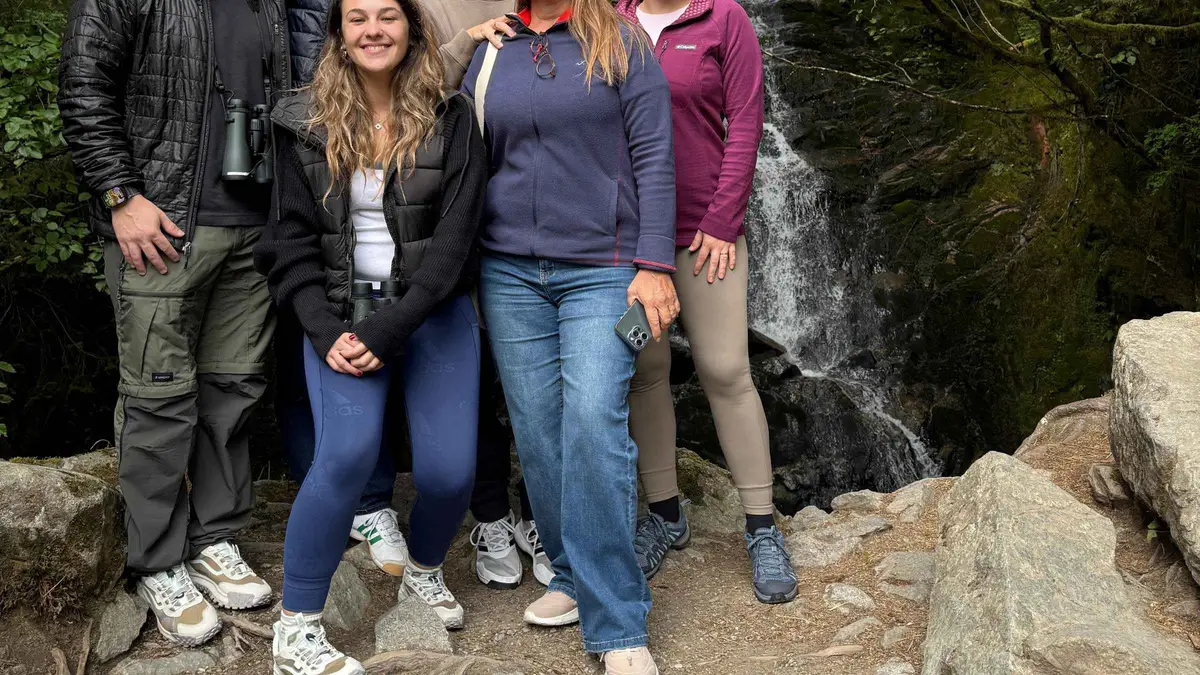
A Native-guided van tour run by Clan House Tours stops at four wildlife viewpoints and Totem Bight State Historical Park to cover Haida, Tlingit and Tsimshian history and craft. Fits travelers who want cultural context alongside a chance at spotting bears, salmon and eagles.
Check Availability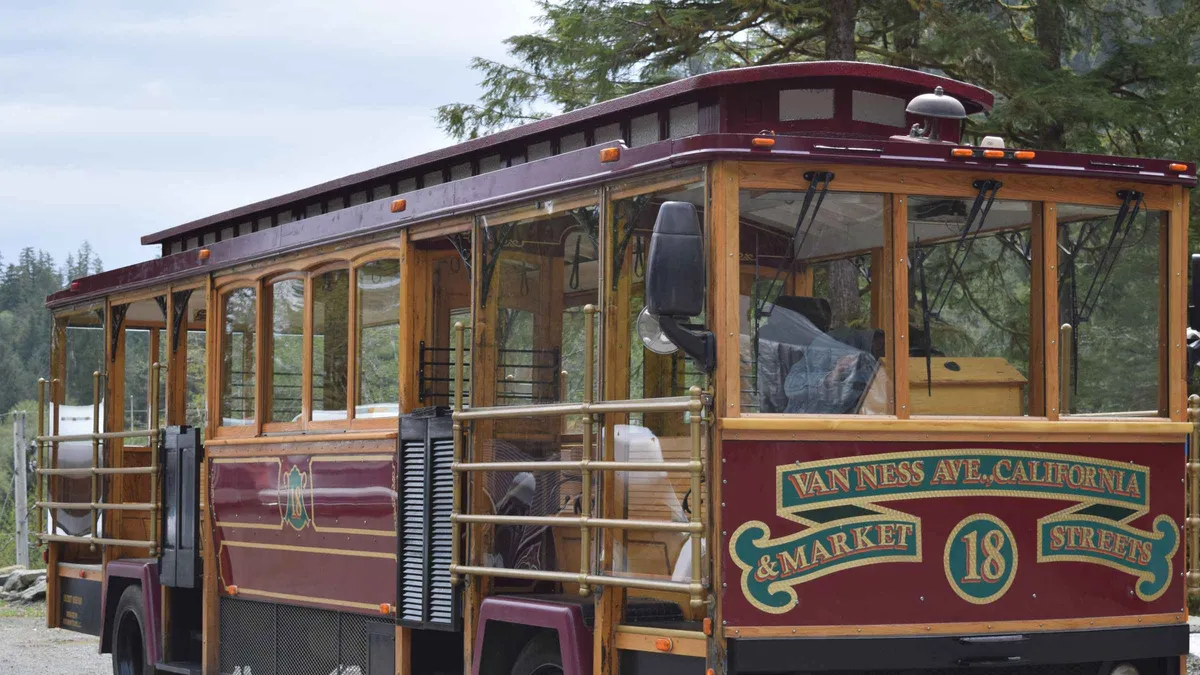 from $85
Free cancellation
from $85
Free cancellation Ketchikan: Totem Pole, Wildlife & City Trolley Tour
An open-sided San Francisco style trolley tours Saxman Native Village's carved totem poles and carving shed, then continues to Herring Cove for a chance at eagles, seals and bears. A shorter option for travelers who mainly want the totem poles and a quick wildlife stop.
Check Availability from $135
Small group
from $135
Small group Ketchikan Photo Safari
A local photographer guides small groups through Creek Street, Ketchikan Creek and Potlatch Totem Park, teaching composition and framing along the way. Suited to travelers who want photo coaching built into their sightseeing rather than a straight wildlife or cultural tour.
Check Availability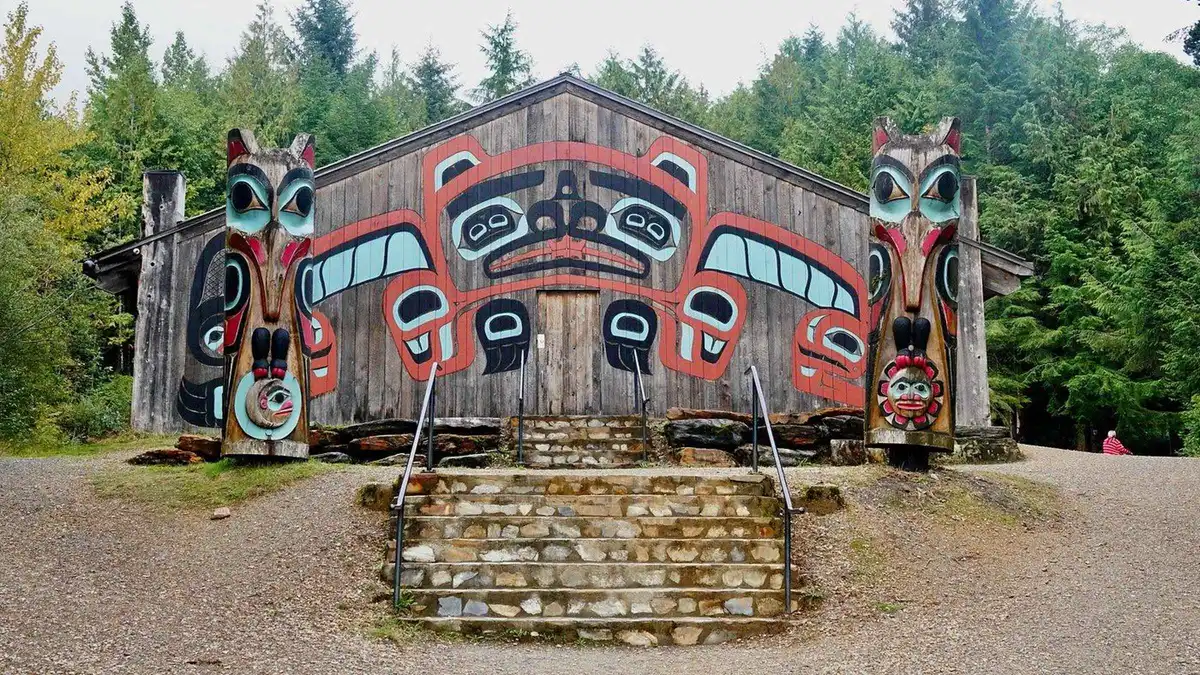 from $99
Free cancellation
from $99
Free cancellation Ketchikan: City Tour, Saxman Village, & Salmon Tasting
A luxury coach carries riders to the Eagle Point Education Center for a smoked salmon tasting, then through downtown landmarks to Saxman Native Village and its totem poles. A straightforward pick for anyone wanting Native history and a city overview in one 2.5 hour ride.
Check AvailabilityPrices, ratings and details are the platform's own. dollar figures are the listed prices — the platform bills in your account's currency.
What the Totem Heritage Center is
Sixteen places on this site show you totem poles. Fifteen of them show you poles that were carved recently, or recarved, or raised as part of a park. The Totem Heritage Center is different in one specific way. Its poles are original nineteenth-century carvings, and they were not made for display. They were recovered from abandoned village sites, brought to Ketchikan, and put indoors.
The building sits at 601 Deermount Street, a short distance uphill from the downtown creek area. Inside are 33 poles in total. Sixteen are on permanent display. The remaining 17 are held for research and are not part of the normal visit. The recovered poles came from three sources: Village Island, Tongass Island, and the Haida village of Old Kasaan. These were villages that emptied out, and the poles that stood there were left to the weather. Bringing them inside was a preservation decision, and the center has deliberately not restored them. You see weathering, checking, and age on the wood. That is the point.
The center is owned and run by the City of Ketchikan, which also runs the Tongass Historical Museum downtown. It is listed on the National Register of Historic Places as "Alaska Totems." In practical terms, it is a quiet, single-building museum visit. There is no boat ride, no performance, and no trail. You walk in, you look closely at carvings that are older than the city's cruise industry by a century, and you walk out.
If you want poles standing outdoors against sky and water, see Saxman Native Village or Potlatch Totem Park. If you want the oldest originals in town, this is the only address.
What you actually see, in order
You enter from Deermount Street into a single main hall, lit low, which is deliberate. Old wood and bright light do not mix, so the room is dimmer than a normal museum and the poles are lit individually. The first impression is scale. House-length poles lean or stand at close range, with no ropes pushing you back to a viewing distance the way outdoor park signage does.
The 16 display poles are weathered originals. Look for the differences from recarved poles you will see elsewhere. The surfaces are grayed and split in places. Details on some figures have softened because the poles stood in open air at their home villages for decades before recovery. Interpretive panels identify each pole and explain the figures, which often stack a family's crests from bottom to top, such as eagle, bear, raven, and killer whale designs. Read at least two or three panels before drawing conclusions, because crest figures repeat and the meaning is in the specific combination.
The center's recovered poles come from Village Island, Tongass Island, and Old Kasaan, and the wall text explains how each was taken down, transported, and why restoration was refused. That story, the argument for keeping decay visible, is the most interesting text in the building.
Beyond the pole hall there are display cases with smaller carved objects, regalia, and photographs of the source villages, plus interpretive material on carving practice. The center also functions as a working cultural education site, so depending on timing you may find carving work or class activity in view.
The whole walkable space is compact. You can see everything in under an hour, but the poles reward a slow second lap. Compared with a bus ride out to Totem Bight, this is the visit where you stand two feet from a nineteenth-century carving and look at tool marks.
Hours, admission, and the price the city does not print
The published hours are straightforward. May through September, the center opens 8:00am-5:00pm every day. October through April, it opens 1:00pm-5:00pm, Monday through Friday only, and it is closed on Saturdays and Sundays in that off-season window. For a cruise visitor this means the daily schedule applies, since the Alaska cruise season runs inside the May to September hours.
The admission price is the gap. The City of Ketchikan's own museums page does not print an exact current admission figure for the Totem Heritage Center, and a price could not be confirmed on any official ketchikan.gov page during our check. Third-party sources report a figure around $7.00 for adults, around $6.00 for seniors 65 and over, and free entry for children and military visitors, but none of this is confirmed by the venue itself. We print the gap rather than a reseller's number dressed up as the venue's price.
What you should do instead is simple. Check the city's museums page or call before you go, since the city directs museum pricing questions to its museum contacts, and the neighboring Tongass Historical Museum has the same pattern of unpublished admission. Bring a small amount of cash and a card in case one is not taken.
For comparison, other totem sites in the area publish their fees plainly. Totem Bight State Historical Park charges $5.00 per person for day use under the Alaska DNR fee schedule, and the Southeast Alaska Discovery Center charges $5.00 per person May through September per the US Forest Service. Those are official figures. The Heritage Center's is not, and that is the one number on this page nobody in an official position will put in writing.
Getting there from the cruise berths
The center is at 601 Deermount Street, which puts it a few blocks inland from the creek end of downtown. From the four downtown cruise berths along the waterfront, it is a walkable trip, roughly 15 minutes at a normal pace. Walk inland past Creek Street and continue up Deermount. The route climbs gently. It is a paved city sidewalk the whole way, and in Ketchikan that means walking it in rain is normal rather than a problem, though a rain jacket helps. The distance itself is short enough that this is the arrival method that actually works for nearly everyone.
The second option is the Borough bus. Ketchikan Gateway Borough Transit charges $2.00 per adult ride, with youth 18 and under and seniors 60 and over at $1.00, and exact change or the Token Transit app accepted. Routes through the downtown corridor pass close to Deermount Street. There is also a Free Downtown Shuttle Zone running roughly from Bryant Street to the Coast Guard Base, which charges no fare inside the zone, so check whether your starting point falls inside it before paying.
The third option, a booked tour, is the one you do not need. Unlike Totem Bight at milepost 10 or Potlatch Totem Park further out Tongass Highway, the Heritage Center is not out on the highway. Several van tours that visit outdoor totem sites do include the town's cultural stops, and a guide can add context, but paying for transport to reach a building this close to the berths is money spent for nothing. If you are coming from Ward Cove, ride the free shuttle to Berth IV downtown first, allow about 20 minutes each way, then walk.
Totem Heritage Center map: uphill from the boardwalk
The centre sits at 601 Deermount Street, up the hill from Creek Street. The other pins are the nearest places on this site.
Do and don't at the Totem Heritage Center
Practical moves for the day you go.
Do
- Read the panels on at least three poles before you decide you have seen the hall.
- Walk up from the berths and save the $2.00 bus fare for a longer trip.
- Call ahead or check the city museums page for the admission figure the page does not print.
- Pair the visit with Totem Bight or Saxman so you see originals and outdoor poles on the same day.
Don't
- Don't book a van tour just to reach a building that is a 15-minute walk from the cruise berths.
- Don't assume weekend opening between October and April, when the center shuts Saturdays and Sundays.
- Don't treat a reseller's price as the venue's own, because the city has not confirmed one.
- Don't skip the interpretive text on why the poles were left unrestored. It is the best writing in the building.
How long to give it
The center does not publish a recommended visit length, so these are three practical routings rather than an official figure.
Short ship call, two to three hours ashore in total. Walk up from the berths, spend 45 to 60 minutes inside the pole hall, and walk back down through Creek Street on the return. This buys you the originals and the boardwalk and skips everything requiring a vehicle. It is the best-value plan when your time ashore is tight, because the visit is close, cheap relative to tours, and weatherproof.
Full day in port. Do the center in the morning when it opens at 8:00am, then commit the middle of the day to an outdoor totem site, either the $5.00 day-use fee at Totem Bight State Historical Park or the free-to-walk boardwalk and paid attractions at Saxman, or join a van tour such as the Alaska Native cultural excursion. This buys the full contrast the center exists to provide. You see weathered originals indoors first, then understand what you are and are not looking at when you meet outdoor poles.
A second visit. If you have been to Ketchikan before and already did the parks, come here for a slow hour and read every panel, then add the Tongass Historical Museum at 629 Dock Street the same day, since the city runs both. This buys depth and skips repetition. Time needed is not stated by the venue, but almost no visitor needs more than 90 minutes inside per visit.
Five things most visitors do not know
- Only 16 of the 33 poles in the collection are on permanent display. The rest are held for research, so what you see indoors is under half the holding (Wikipedia, citing the National Register listing).
- The poles were recovered from three abandoned village sites, Village Island, Tongass Island, and the Haida village of Old Kasaan, not carved for the museum or moved from elsewhere in Ketchikan (Wikipedia).
- The site is on the National Register of Historic Places under the listing name "Alaska Totems," not under the building's own name (Wikipedia).
- The city's own museums page does not publish the admission price, and third-party figures of roughly $7 adult are unverified by the venue, so the only confirmed cost nearby is the $5.00 per person day-use fee at Totem Bight (City of Ketchikan museums page and Alaska DNR fee schedule).
- In the off-season the center closes entirely on weekends, opening 1:00pm-5:00pm Monday to Friday only, a schedule that catches out anyone assuming daily museum hours (City of Ketchikan museums page).
Next
All the totem sites
Originals against replicas, and which to spend the time on: Ketchikan totem poles.
The comparisonMarried Man’s Trail
The stair route that brings you up here from the boardwalk: Married Man’s Trail.
The way upTotem Heritage Center questions
What does it cost to enter the Totem Heritage Center?
The City of Ketchikan does not publish an admission price for the center on its own museums page, and no official figure could be confirmed during our check. Third-party sources report around $7.00 for adults, around $6.00 for seniors 65 and over, and free entry for children and military visitors, none of it verified by the venue. Compare that with the official $5.00 per person day-use fee at Totem Bight, which the Alaska DNR does publish. Call the city before you go, and carry cash and a card.
When is the Totem Heritage Center open?
May through September it opens 8:00am-5:00pm daily, which covers the whole Alaska cruise season. October through April it cuts back to 1:00pm-5:00pm, Monday through Friday only, and closes on weekends. The published hours come from the City of Ketchikan museums page. Since cruise calls cluster between May and September, most cruise visitors will find it open on a daily schedule, but a shoulder-season visitor arriving on a Saturday or Sunday in the off-season will find the doors shut. See our best time to visit page for season context.
Is the Totem Heritage Center worth visiting if I have already seen outdoor totem parks?
It is the complement to them, not a repeat. The poles at Saxman Native Village, Totem Bight, and Potlatch Totem Park stand outdoors, and the ones raised in the last century are recarvings or new works. The Heritage Center holds original nineteenth-century poles recovered from abandoned village sites, kept indoors and deliberately unrestored. If you want to see weathering, tool marks, and age up close, and to read why restoration was refused, it earns its 60 to 90 minutes.
How do I get to the Totem Heritage Center from the cruise ship docks?
Walk. The center is at 601 Deermount Street, roughly 15 minutes on foot from the four downtown berths, with a gentle climb on city sidewalks the whole way. Alternatively, Ketchikan Gateway Borough Transit charges $2.00 per adult ride, with youth and seniors at $1.00, and there is a Free Downtown Shuttle Zone from Bryant Street to the Coast Guard Base with no fare inside it. A booked tour is not needed for this stop, unlike the parks out on Tongass Highway.
What is the Totem Heritage Center like in the rain?
It is the best totem stop in Ketchikan for a wet day, because the entire visit is indoors under one roof. Ketchikan receives 149.54 inches of precipitation in an average year per the National Weather Service climate normals, and rain on roughly 232 days a year, so plan around it rather than hoping it stops. The walk from the berths is the only exposed part, so bring a rain jacket for the 15 minutes outside. Once inside, the dim lighting, quiet hall, and close-up original poles make it a good midday shelter stop.
Who is the Totem Heritage Center best suited for?
It suits travelers who want the real objects and will read the interpretive panels, including anyone with a serious interest in Northwest Coast carving. It is compact and indoors, so it works for visitors with limited time, in bad weather, or avoiding long walks. It is less of a fit for young children wanting movement and spectacle, since there is no performance, boat, or trail, and for anyone expecting brightly painted outdoor poles. Family-minded travelers may prefer pairing it with an outdoor park, and our visiting with kids page covers the trade-offs.
Totem Heritage Center on video
Three films that show this place at real pace, which is the check on every time figure above.
11 Amazing Things You MUST Do in Ketchikan, Alaska
Includes the walk up to the centre from the boardwalk.
Video: Art We There Yet?What to Do in Ketchikan Alaska on a Cruise Port Day
A port day taking in the museum.
Video: Take2TravelBest Things to Do in Ketchikan Alaska Travel Guide
Puts the indoor poles beside the outdoor parks.
Video: Destination AwaitsLinked as published on YouTube. We have no connection to these channels.
We may earn a commission if you book through one of our links, at no extra cost to you. Full affiliate disclosure