 Ketchikan City Guide
The mill at Ward Cove
The Ketchikan pulp mill at Ward Cove employed this town for 43 years, shut down, and now carries a cruise dock on its footprint. Visitors tying up at The Mill at Ward Cove are standing where the Ketchikan Pulp Company plant operated. This page gathers what the sources say about the mill, prints the employment and population figures that disagree between them without choosing one, covers the environmental record as far as agency pages document it, and describes what is there now. For docking logistics see Ward Cove, and for the wider port see the Ketchikan cruise port page. The rest of the town is on the Ketchikan city guide.
Quick answer What the Ward Cove mill was and why the site matters
A dissolving sulfite pulp mill run by the Ketchikan Pulp Company operated at Ward Cove from 1954 to 1997, about 43 years. Around 500 people worked there at closure, though sources differ slightly and none cleanly separates peak from closing-day headcount. The site later became The Mill at Ward Cove, a two-berth cruise dock about 7 miles north of downtown with a free shuttle to Berth IV. See what stood here, the figures that disagree between sources, and our pages on Ward Cove and the cruise port.
Key takeaways
- The mill was a Ketchikan Pulp Company sulfite pulp plant that ran from 1954 until 1997.
- Employment and population figures around the closure conflict between sources, and this page prints each one with its source.
- The DOJ, EPA and Alaska DEC document a Clean Water Act plea and a Superfund sediment cleanup finished in 2001.
- The site today holds a two-berth dock, a Welcome Center in the old mill building, and a second Lumberjack Show venue.
The figures that do not agree
Two numbers in this story are reported differently by different sources, and both disagreements matter to how the closure is remembered. We print each figure with the source that published it and pick neither.
| What | One source says | Another says |
|---|---|---|
| People employed at closure | About 500, per KRBD | Almost 500, per the contemporary Spokesman-Review |
| What it did to the town | A nearly 10% population fall and a quarter of school enrolment gone, per later reporting | Census counts for the city are flat to slightly up across the decade, 8,285 to 8,305 |
Where a figure below is one source’s and not another’s, the sentence says whose it is. Figures current for Q3 2026.
What stood here
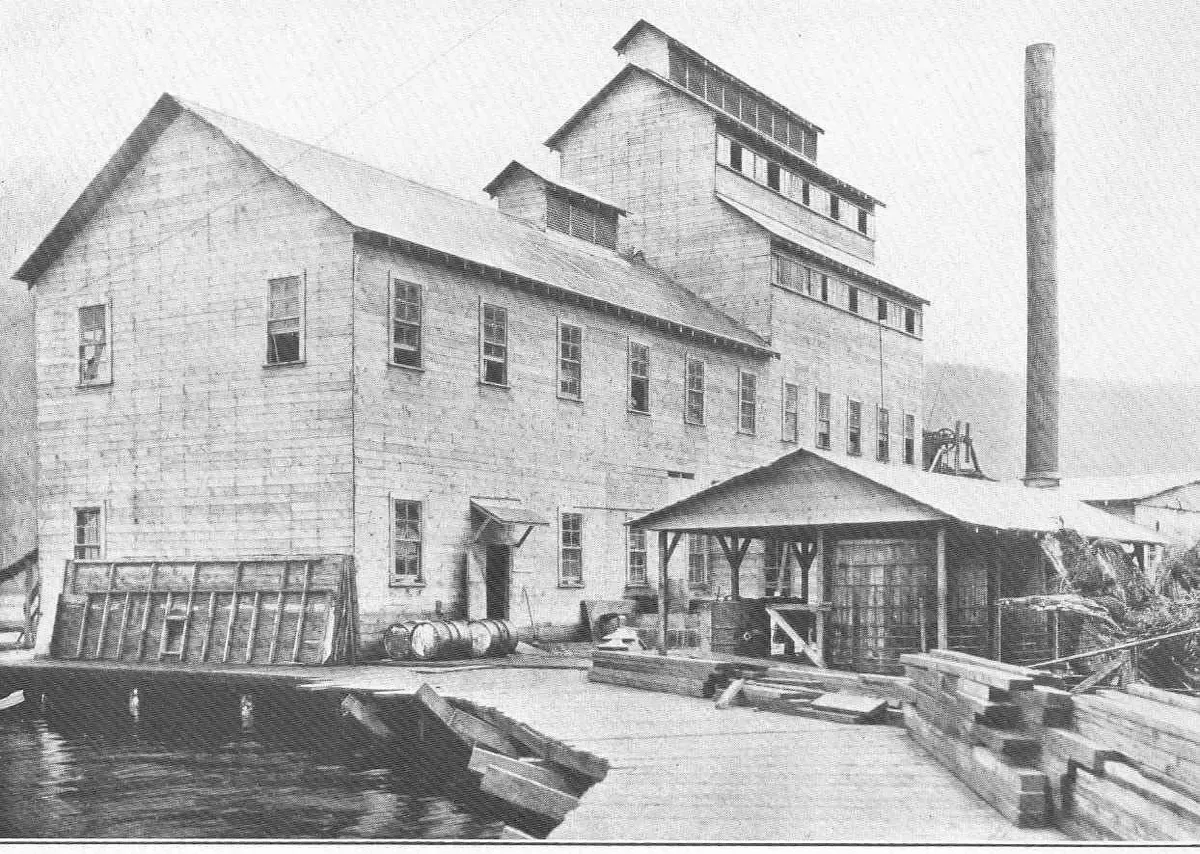
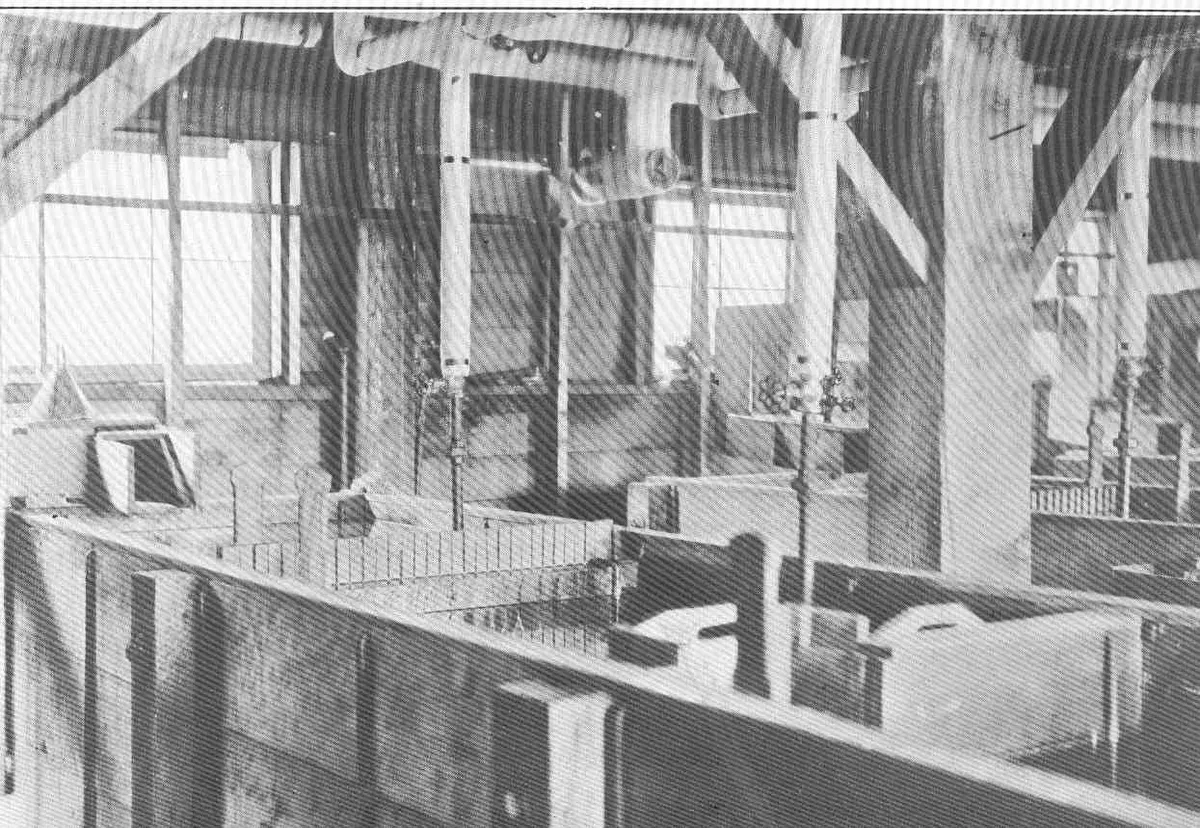
The pulp mill was not the first industry on this shore. In 1915 a US government survey, the Report of Alaska Investigations in 1914, photographed a timber plant at Wards Cove turning cannery waste into oil and fertiliser, standing on pilings over the same water. The two photographs above are from that report. So the cove has been industrial for more than a century, in three forms: fish waste in 1915, pulp from 1954 to 1997, and cruise passengers since the pier opened.
From 1954 to 1997 the Ward Cove waterfront held a pulp mill. It opened in 1954 as a dissolving sulfite pulp mill owned by the Ketchikan Pulp Company, a subsidiary of Louisiana-Pacific. The opening date comes from a secondary encyclopedic source, and the closure details come from a contemporary Spokesman-Review news report. The mill ran for 43 years.
The plant turned Tongass timber into pulp. Its raw material supply rested on a 50-year long-term timber sale contract with the US Forest Service for the Tongass National Forest, and that contract is central to the closure story below.
For scale, the mill was one of the largest employers in the Ketchikan area, and secondary reporting treats its roughly 500 workers as both the peak and the closing-day headcount, a point covered in the figures section below. The surrounding economy supported more than 500 additional jobs tied to the mill, per Alaska public-radio reporting.
The site also carried supporting industrial infrastructure, including a landfill area that later drew its own water-discharge permit record from the Alaska Department of Environmental Conservation, separate from the sediment cleanup in the cove.
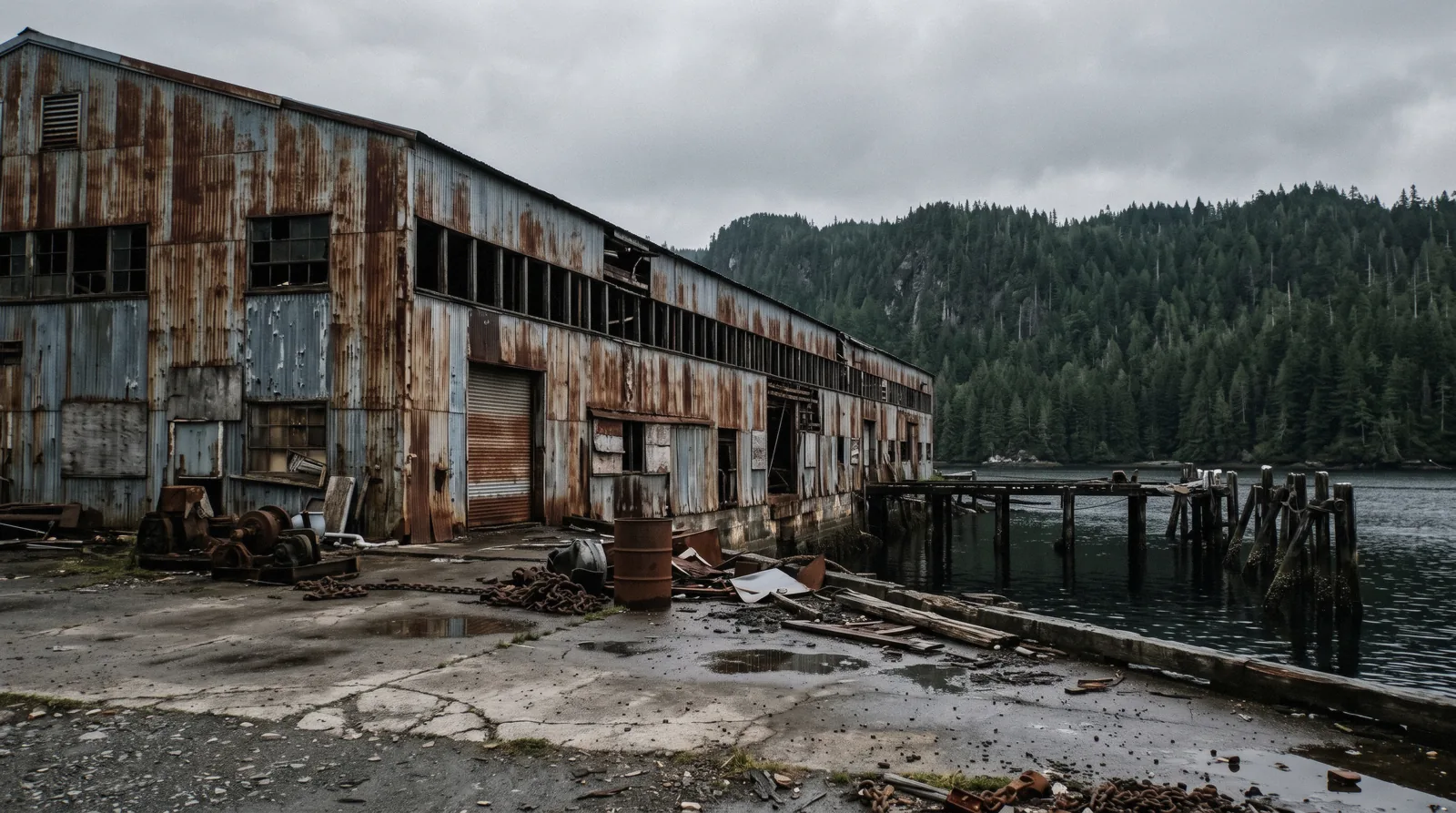
What a visitor sees today at Ward Cove gives little away. The dock is a floating two-berth structure, and the historic main mill building survived and now serves as the Welcome Center. Everything else on the site serves cruise passengers rather than pulp production. If your ship docks here, the practical details of the shuttle, the food options and the show next door are on our Ward Cove page, and the town itself is covered under things to do in Ketchikan.
Why it closed
The mill shut down in 1997, and no single cause explains it. The sources name several, and they fit together rather than compete.
The timber contract came first. The mill's 50-year long-term timber sale contract with the US Forest Service was terminated under the 1990 Tongass Timber Reform Act, which directed the Forest Service to end long-term contracts of this kind.
Money came second. Louisiana-Pacific, the parent company, said the aging plant would have required an estimated $200 million in environmental-compliance renovations to keep running, which made continued operation uneconomical. That figure is attributed to the company in the Spokesman-Review's report on the shutdown.
Management also blamed federal forest policy. Mill management said Clinton administration policy had made Tongass timber more scarce and costly, and Louisiana-Pacific announced the shutdown after the administration declined to reinstate the original contract terms.
Market forces ran underneath all of this. Global pulp production had gradually shifted overseas, leaving Alaska's pulp industry uncompetitive, and environmental lawsuits over logging further constrained production in the years before closure.
The shutdown itself happened quickly. Contemporary reporting records the mill going quiet over two days, with the last production expected early on the second morning, after 43 years of operation. It was described in the press as Alaska's last pulp mill.
None of this is nostalgia bait. The mill closed because a contract ended, a plant aged, and a global market moved. The town's subsequent story, told through the population figures below, is more complicated than either boom or bust.
The figures that disagree
Employment and population figures for the mill and its aftermath do not agree between sources. We print each figure with its source and do not average them or pick a winner.
Employment at closure:
- About 500 people directly employed at closure, plus more than 500 additional jobs supported indirectly in the surrounding economy. Source: Alaska Public Media and KRBD reporting citing local sources. - Almost 500 workers left unemployed at shutdown. Source: The Spokesman-Review's report published at the time of the closure. - No distinct peak-versus-closure employment figure exists on any state, federal or academic source we checked. The Alaska labor department's trends magazine article on the closure could not be text-extracted during this check. The roughly 500 figure appears in secondary reporting as both the peak and the closing-day headcount.
These numbers sit in the same range but are not identical, and we present both.
Population after closure:
- Decennial census counts for the City of Ketchikan, per a secondary compilation of Census figures: 8,285 in 1990, 8,305 in 2000 (the city's recorded peak), 8,050 in 2010, and 8,122 in 2020. On this set the city was essentially flat across the decade containing the closure, then declined the following decade. Source: biggestuscities.com, a secondary aggregator citing US Census decennial counts. - News reporting states Census Bureau data shows Ketchikan's population dropped nearly 10 percent in the years after the mill closed, and that school district enrollment shrank by nearly 25 percent. This is a shorter, sharper decline than the decennial comparison shows. Source: secondary news synthesis citing the Ketchikan Daily News, whose original article could not be fetched directly during this check. - Ketchikan Gateway Borough, the wider area, grew at 0.18 percent per year across 1990 to 2000, then declined at 1.12 percent per year across 2000 to 2005. Source: population.us, a secondary aggregator citing Census and estimate data.
The picture conflicts because the geographies and time windows differ. City, borough and short-window counts tell different stories. Anyone quoting a single number is making a choice the data does not make for them.
What runs from that shoreline now
Four listings that leave from the town the mill used to employ, one of them from the pier built on its footprint. Prices, ratings and durations are the platform’s own figures.
 from $157.94
Meal included
from $157.94
Meal included Ketchikan: Lumberjack Show & Crab Feast
This stop in the Thomas Basin historic district pairs a competitive lumberjack show, chopping, sawing and log rolling, with an all-you-can-eat Dungeness crab feast next door at Harbor Haus. Good for groups who want entertainment and a full meal in one afternoon.
Check Availability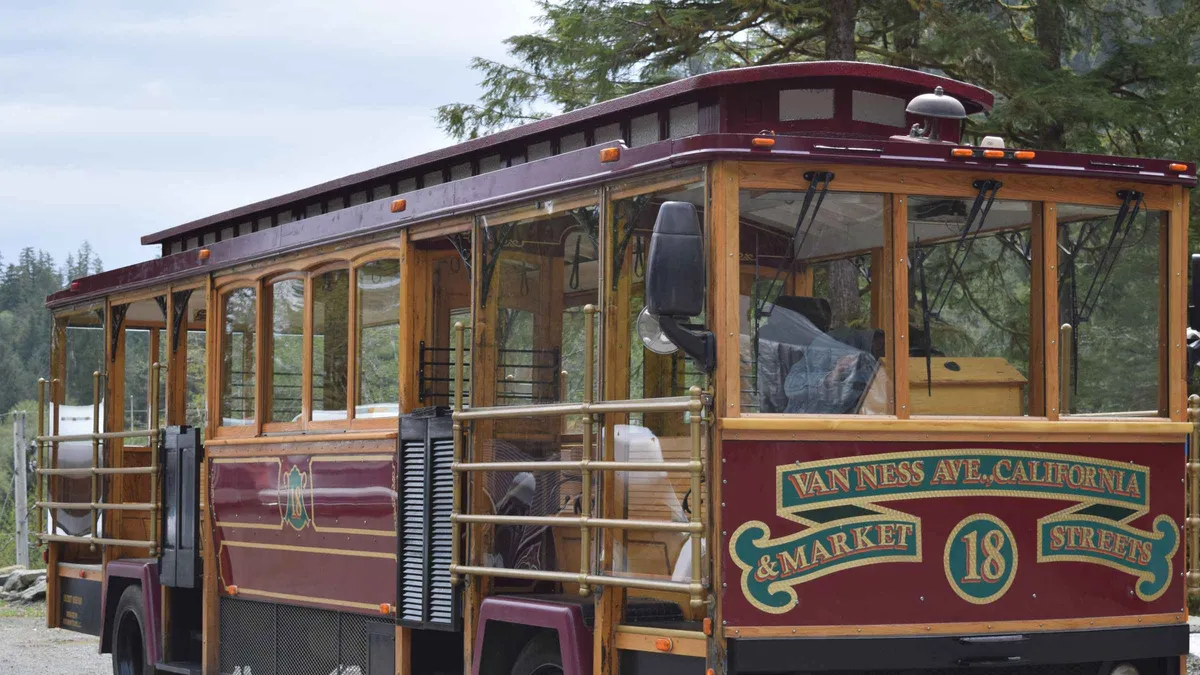 from $85
Free cancellation
from $85
Free cancellation Ketchikan: Totem Pole, Wildlife & City Trolley Tour
An open-sided San Francisco style trolley tours Saxman Native Village's carved totem poles and carving shed, then continues to Herring Cove for a chance at eagles, seals and bears. A shorter option for travelers who mainly want the totem poles and a quick wildlife stop.
Check Availability from $84
Free cancellation
from $84
Free cancellation Ketchikan: Alaska Native Cultural and Scenic Shore Excursion
A Native-guided van tour run by Clan House Tours stops at four wildlife viewpoints and Totem Bight State Historical Park to cover Haida, Tlingit and Tsimshian history and craft. Fits travelers who want cultural context alongside a chance at spotting bears, salmon and eagles.
Check Availability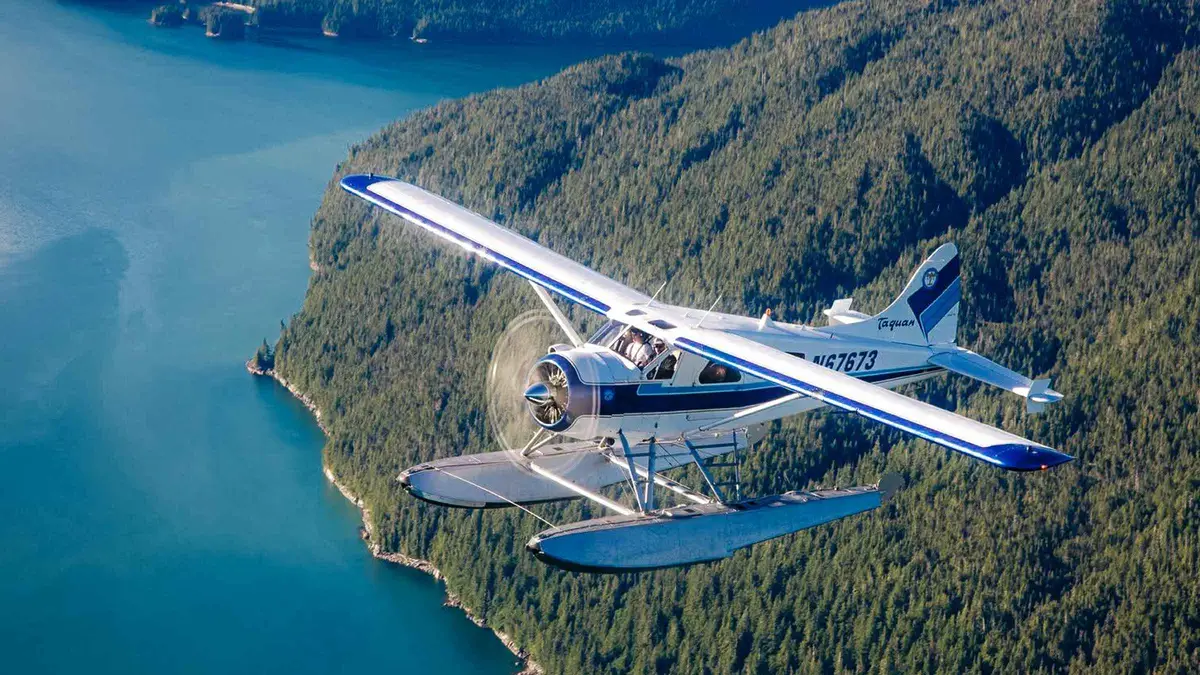 from $389
Small group
from $389
Small group Ketchikan: Misty Fjords National Monument Floatplane Tour
A six-passenger floatplane lifts off from Ketchikan for a low flight over Misty Fjords National Monument, with the pilot narrating the route by headset. Good for travelers who want an aerial view of the fjords and forest without a long day on the water.
Check AvailabilityPrices, ratings and details are the platform's own. dollar figures are the listed prices — the platform bills in your account's currency.
What the agencies recorded
The mill's environmental record is documented by three agencies, and we cover it only as far as their pages go.
The Department of Justice record: the Ketchikan Pulp Company pleaded guilty under a criminal plea agreement to one felony and 13 misdemeanor violations of the Clean Water Act for discharging sludge and wastewater into Ward Cove over roughly three years, including an incident in which a clarifying tank was deliberately bypassed. The company agreed to pay $3 million in fines, with $1.75 million potentially suspended on completion of a pollution-prevention program. This comes from a DOJ press release.
The EPA record: the former mill site, meaning the upland plant area plus roughly 160 acres of Ward Cove tidelands and coastal sediment, is an EPA Superfund site. EPA began investigating in the early 1990s. Under a Consent Decree the company conducted a remedial investigation of the cove's sediments and carried out cleanup, dredging contaminated sediment for consolidation and capping it with clean material. Remediation activities were completed in 2001. In 2009 EPA approved the final long-term monitoring report and concurred the remedy is protective, ending the requirement for further routine monitoring. This is the EPA Superfund site profile account.
The Alaska DEC record: a separate water-discharge permitting record exists for the Ketchikan Pulp Company Ward Cove Landfill, distinct from the sediment cleanup in the cove.
That is the documented record. We do not add to it and we do not editorialize over it. The cove that received the discharges now receives cruise ships, and the sediments were capped and monitored under the EPA process described above. The full practical picture of visiting the site today is on our Ward Cove page, and trips further out into the Tongass are covered under Misty Fjords and the Tongass National Forest.
What is there now
After closure the property passed through two more industrial lives before tourism. Louisiana-Pacific sold it to Gateway Forest Products, which ran a smaller lumber operation on site until 2001. The site then stood idle until developer John Binkley, local investors Dave and Andrew Spokely, and Norwegian Cruise Line Holdings redeveloped it as a cruise dock, originally targeting the season before the one in which it actually opened.
What stands there now:
- A two-berth floating cruise dock, funded with Norwegian Cruise Line Holdings support under a 30-year preferential berthing agreement. The dock is owned and operated by Ward Cove Dock Group LLC, a partnership of two Alaska families. The first cruise ship docked there in 2021. - A Welcome Center inside the historic main mill building, with modern restrooms, food service and retail. Converted rail cars on site also function as restrooms and one houses a dining space, and food trucks have operated on site in season. - The Great Alaskan Lumberjack Show's second venue, right off the pier at 7789 North Tongass Highway. Show times vary daily and the venue is separate from the downtown arena, which sits on the site of a different, older mill.
The dock sits about 7 miles north of downtown Ketchikan. A complimentary shuttle runs continuously from the Welcome Center to Berth IV downtown, taking about 20 minutes each way. That distance and shuttle are the practical facts most visitors need, and they are covered in full on our Ward Cove page along with getting around Ketchikan once you are downtown.
The name was kept deliberately. The Mill at Ward Cove is a working reminder that the dock sits on an industrial footprint, and the Welcome Center building is the mill itself.
Downtown berth or Ward Cove dock
If A downtown berth is for visitors who want to walk straight off the ship to Creek Street, the museums and the downtown Lumberjack Show with no shuttle connection to plan around
A downtown berth is for visitors who want to walk straight off the ship to Creek Street, the museums and the downtown Lumberjack Show with no shuttle connection to plan around.
If Ward Cove is for passengers on lines that berth there by default, and it suits anyone with a ship-adjacent plan like the Ward Cove Lumberjack Show venue, since the Welcome Center, restrooms and food are at the pier and the free shuttle handles the rest
Ward Cove is for passengers on lines that berth there by default, and it suits anyone with a ship-adjacent plan like the Ward Cove Lumberjack Show venue, since the Welcome Center, restrooms and food are at the pier and the free shuttle handles the rest.
If you want the short answer
If your line offers both, a downtown berth wins for convenience, since Ward Cove adds a 20-minute shuttle each way to reach town.
Mill at Ward Cove questions
Was there really a pulp mill where the Ward Cove cruise dock now stands?
Yes. The Ketchikan Pulp Company operated a dissolving sulfite pulp mill on that waterfront from 1954 until 1997, per the sources cited on this page. The historic main mill building still stands and now serves as the Welcome Center for The Mill at Ward Cove. The rest of the site holds a two-berth floating cruise dock. Our Ward Cove page covers the practical details of the modern dock.
How many people did the Ketchikan pulp mill employ?
The sources disagree and we do not pick one. Alaska Public Media and KRBD reporting cites about 500 direct employees at closure plus more than 500 indirect jobs. The Spokesman-Report of the shutdown period put it at almost 500 workers unemployed at shutdown. No state, federal or academic source we checked separates a peak figure from the closing-day headcount, so both numbers are printed as they stand.
Why did the pulp mill at Ward Cove close?
Several attributed reasons, not one. The mill's 50-year Tongass timber sale contract with the US Forest Service was ended under the 1990 Tongass Timber Reform Act. Louisiana-Pacific said environmental-compliance renovations would have cost an estimated $200 million. Management also blamed federal forest policy making timber scarcer and costlier, the global shift of pulp production overseas, and environmental lawsuits constraining logging. The full breakdown is in the closure section.
Is the Ward Cove site still polluted?
The documented record is on the agency pages. The site is an EPA Superfund site covering the former mill area plus roughly 160 acres of cove tidelands and sediment. Under a Consent Decree the contaminated sediment was dredged, consolidated and capped, with remediation completed in 2001. EPA approved the final monitoring report and concurred the remedy is protective, ending routine monitoring. We report only what the agency record states, as set out in the agencies section.
Did Ketchikan's population collapse after the mill closed?
The figures conflict and the answer depends on geography and window. Decennial census counts show the city nearly flat across the decade containing the closure, from 8,285 to 8,305, then lower the following decade. News reporting citing Census data describes a nearly 10 percent drop in the years after closure and a school enrollment decline of nearly 25 percent. The borough grew slightly, then declined. We print all three with sources rather than choosing.
Can you walk from the Ward Cove cruise dock into Ketchikan?
Not stated. Ward Cove sits about 7 miles north of downtown, so walking is not the planned connection. The dock operator runs a complimentary shuttle from the Welcome Center to downtown Berth IV, taking about 20 minutes each way, running continuously from ship arrival. No official page we checked describes a pedestrian route into town. Shuttle details and what to do at the pier are on our Ward Cove page.
Ward Cove on video
Three films of the site as it is now, which is the only way to see what a cruise pier looks like on a mill’s footprint.
Everything to Know Before You Cruise Ketchikan Alaska!
Covers the dock and the shuttle into town.
Video: Christine LozadaKetchikan, Alaska Cruise Port Guide
Shows the waterfront and the berths.
Video: The Port LowdownBest Things to Do in Ketchikan Alaska Travel Guide
The wider road and the cove.
Video: Destination AwaitsLinked as published on YouTube. We have no connection to these channels.